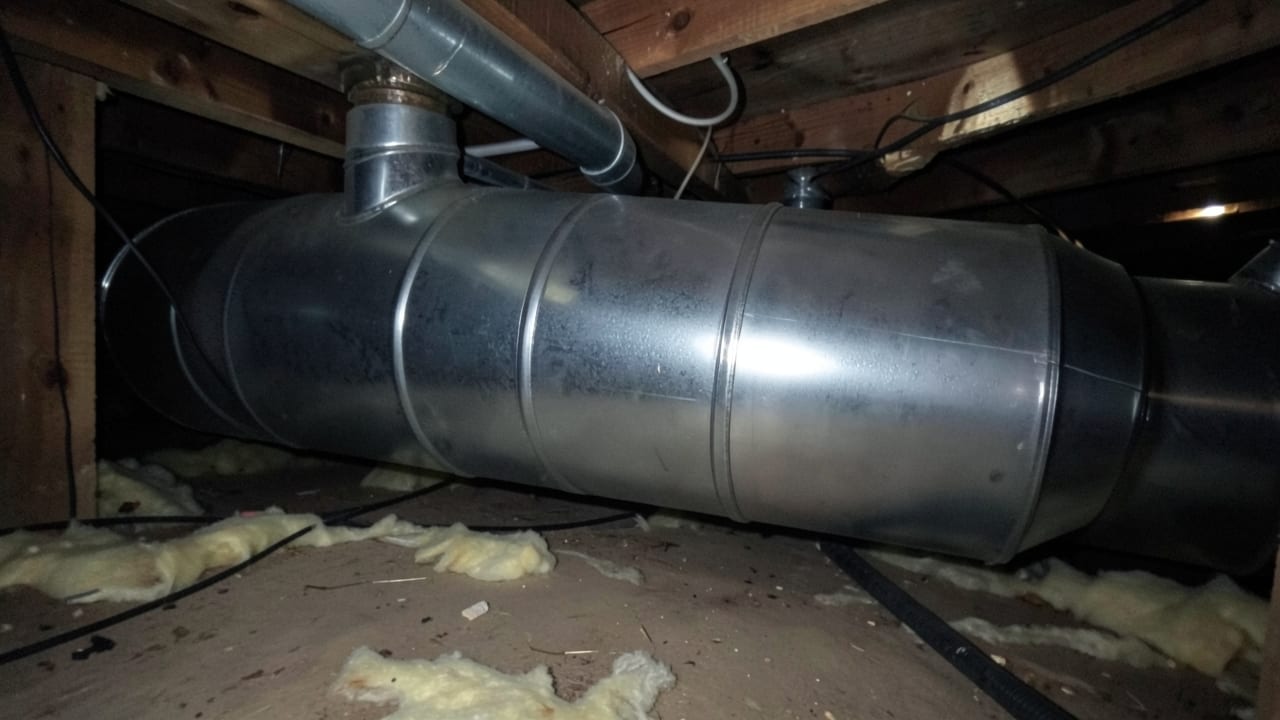
Galvanized Duct Cleaning
Professional cleaning of galvanized air ducts to remove dust, debris, and contaminants from HVAC systems.
Galvanized duct cleaning in Sandy, UT focuses on removing accumulated dust, allergens, and debris from metal HVAC ductwork, which can reduce airflow and indoor air quality over time. This service targets the entire duct network, including supply and return lines, to restore system efficiency and improve comfort in your home.
Signs your galvanized ducts need cleaning
Dust buildup inside galvanized ducts often announces itself through visible or olfactory clues rather than direct observation. A sudden puff of dust when your HVAC system first turns on, or dust resettling on furniture within days of cleaning, suggests debris is still circulating through the ducts.
We also handle Furnace & Vent Cleaning and Attic Duct Cleaning for Sandy properties.
Musty or stale odors that appear only when the system is running may indicate biological growth or trapped moisture inside the ductwork. Rooms with visibly faster dust accumulation near supply vents often have ducts actively releasing dust rather than just settling naturally.
Common Indicators of Duct Issues
- Dust appears within days of cleaning, especially near supply vents
- Musty or stale smell when the HVAC runs, but not when it’s off
- Visible gray film or buildup on register grilles that reappears quickly
- Reduced airflow or uneven heating/cooling in certain rooms
- Increased allergy or asthma symptoms among household members
What affects pricing and cleaning intervals?
The cost and frequency of galvanized duct cleaning depend on household-specific factors, not just time. Homes with pets, poor filtration, or unsealed duct connections tend to accumulate dust faster, requiring more frequent attention. A clogged air filter forces more dust into the ducts, accelerating buildup between cleanings.
Sealing gaps at duct connections and registers, along with regular vacuuming of pet hair and surface dust, can slow down how quickly ducts get dirty again.
Industry recommendations for cleaning intervals vary widely—from once a year to once every five years—because the real answer depends on your home’s conditions, not a fixed schedule.
What to watch for during the service
Not all duct cleaning methods are equal. Aggressive brushing or air whips can damage flexible duct sections if connections aren’t secure, potentially blowing conditioned air into wall cavities instead of living spaces.
Skipping the step of sealing off unused registers allows dislodged dust to spread throughout the house rather than being captured.
Excess moisture or biocide treatments left inside ducts without proper drying can create new microbial growth. Always confirm the crew uses a negative-pressure HEPA vacuum system to pull debris out of the entire system, not just a shop-vac at the vents, which removes far less material.
A disconnected flex duct or unsealed registers during cleaning can worsen indoor air quality by redistributing dust into living spaces instead of removing it.
How galvanized duct cleaning works
- 1System Inspection
A camera or mirror inspection identifies concentrated dust, debris, or biological growth in supply and return ducts before cleaning begins.
- 2Register Sealing and Negative-Pressure Setup
Unused registers are sealed, and a HEPA-filtered collection unit is connected to pull dislodged dust out of the system rather than into the home.
- 3Mechanical Agitation
Rotary brushes or compressed-air whips loosen compacted dust from duct walls, which suction alone cannot remove.
- 4HEPA Vacuum Extraction
Dislodged material is captured in a HEPA-filtered system, preventing fine particles from re-entering the living space.
- 5Register and Diffuser Cleaning
Each supply and return register, grille, and diffuser is cleaned separately to remove surface buildup like pet hair.
Frequently asked questions
How do I know if my galvanized ducts need cleaning?
Look for dust puffs when the HVAC starts, musty smells while the system runs, or visible buildup on register grilles that reappears quickly. Uneven airflow or faster dust accumulation in certain rooms are also common signs.
Will cleaning my ducts improve my allergies?
Reducing dust and allergen buildup in ducts may help, but results depend on your home’s conditions. Regular filter changes and sealing duct gaps also play a key role in maintaining cleaner air.
How often should I have my ducts cleaned?
There’s no one-size-fits-all answer—it depends on factors like pets, filter maintenance, and duct sealing. Industry guidance ranges from yearly to every five years, but your home’s specific needs determine the best interval.
Can I clean my ducts myself, or should I hire a professional?
DIY methods like vacuuming vents often miss deeper buildup. Professionals use specialized equipment, including HEPA filtration and mechanical agitation, to thoroughly clean the entire duct network safely.
Where Sandy sits, and what the Census lists nearby
Sandy sits in Utah, and the closest places listed in the U.S. Census Gazetteer are White City (0.7 miles west), Granite (3.1 miles east), Cottonwood Heights (3.4 miles northeast), Midvale (3.7 miles northwest). Within 25 miles of Sandy the same source lists 57 distinct incorporated places and census-designated places.
Those figures matter for galvanized duct cleaning because they are straight-line distances between Census coordinate points: road mileage between Sandy and White City runs longer than the 0.7 miles shown, which is why quotes for the same job differ between towns that look close together on a map.
Source: U.S. Census Bureau Gazetteer.
See Highland, UT for more, or check out everything Sandy homeowners can book with us for our complete lineup.
Ready to get started?
Talk to a local air duct cleaning pro in Sandy — get a written quote.
Other Air Duct Cleaning Services in Sandy
Furnace & Vent Cleaning in Sandy, UT
Furnace and vent cleaning in Sandy, UT clears the burner compartment, blower, and venting of dust and combustion byproducts.
Learn More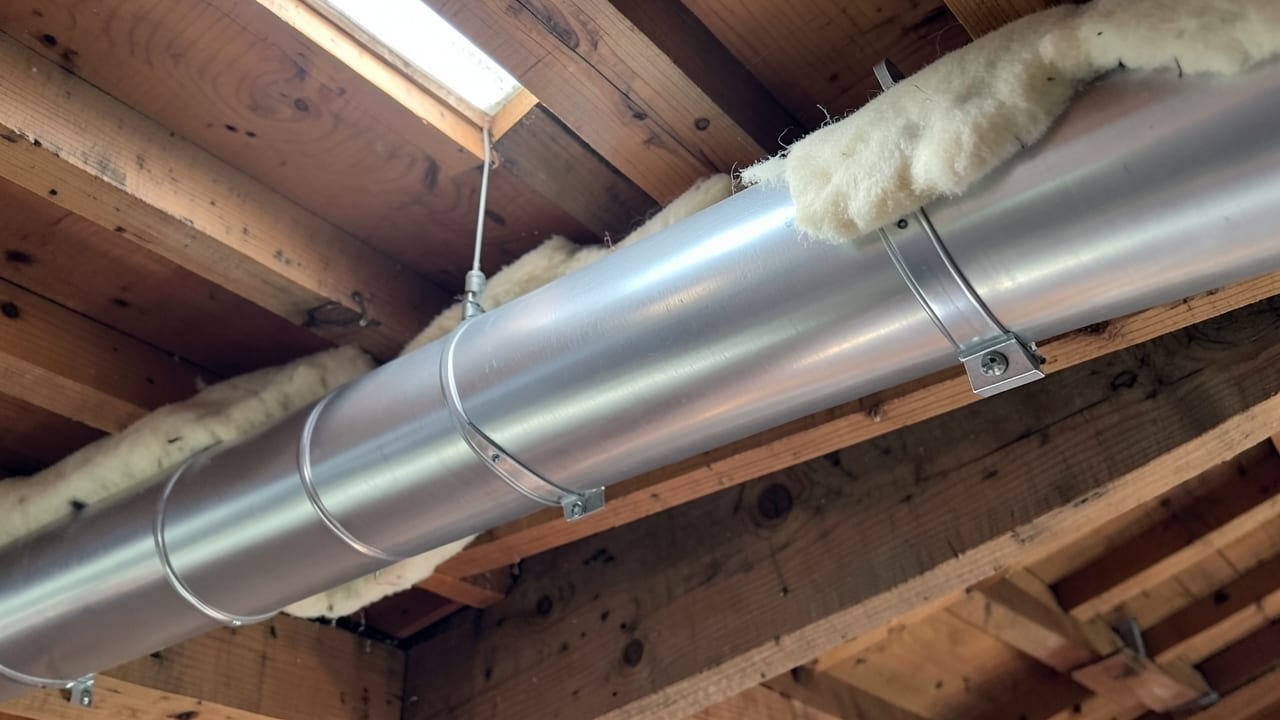
Attic Duct Cleaning in Sandy, UT
Professional cleaning of attic ductwork to remove dust, debris, and contaminants for better airflow.
Learn More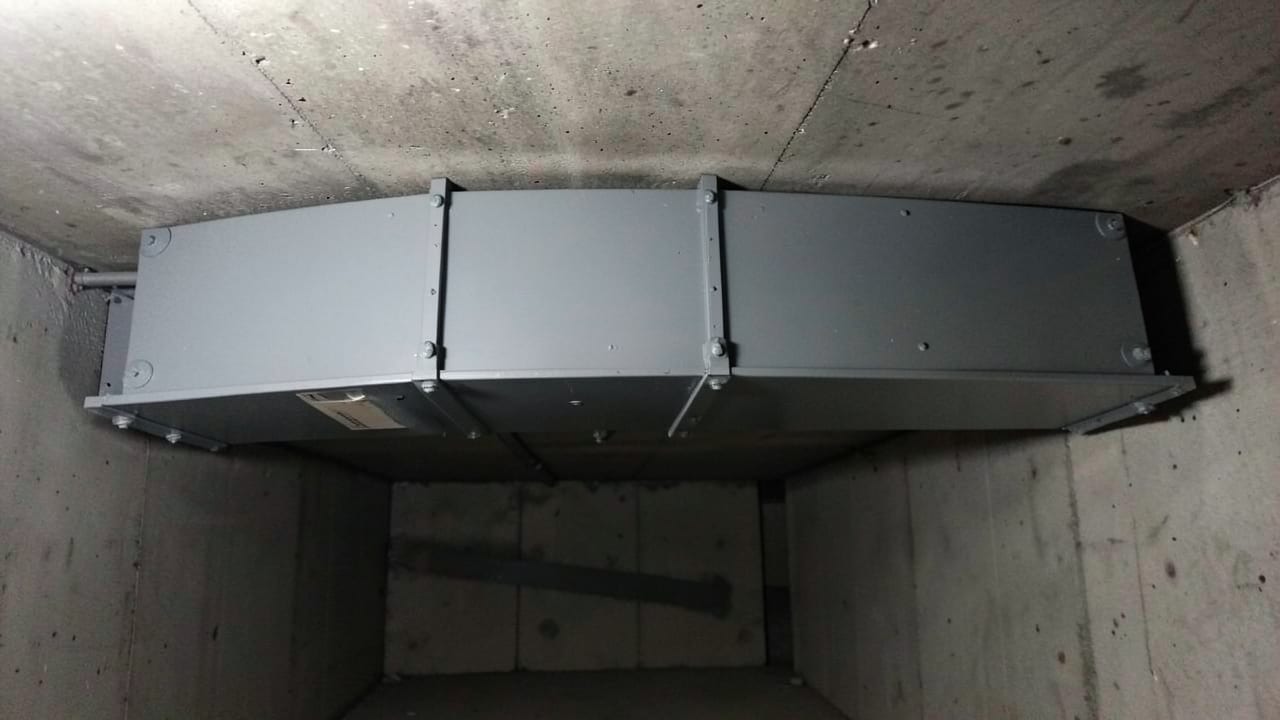
Basement Duct Cleaning in Sandy, UT
Professional cleaning of basement air ducts to remove dust, debris, and contaminants from HVAC systems.
Learn More
Crawl Space Duct Cleaning in Sandy, UT
Professional cleaning of ductwork in crawl spaces to improve airflow and indoor air quality.
Learn More
Metal Duct Cleaning in Sandy, UT
Professional cleaning of metal ductwork to remove dust, debris, and contaminants from HVAC systems.
Learn More
Fiberglass Duct Cleaning in Sandy, UT
Professional cleaning of fiberglass ductwork to remove dust, debris, and contaminants from HVAC systems.
Learn MoreCommon Questions About Air Duct Cleaning in Sandy
Everything you need to know about air duct cleaning services in Sandy
How much does Galvanized Duct Cleaning typically cost in Sandy, UT?
Do air ducts in a dusty climate like Sandy, UT need more frequent attention?
Does duct cleaning include the coils and blower compartment, or only the ducts themselves?
What's the real difference between flat-rate and per-vent air duct pricing?
How often should air ducts actually be cleaned?
What does an air duct cleaning appointment actually involve, step by step?
Need Air Duct Cleaning in Sandy?
Get a written quote from our Sandy crew.
⏰ We answer your call • Serving all of Sandy and surrounding areas